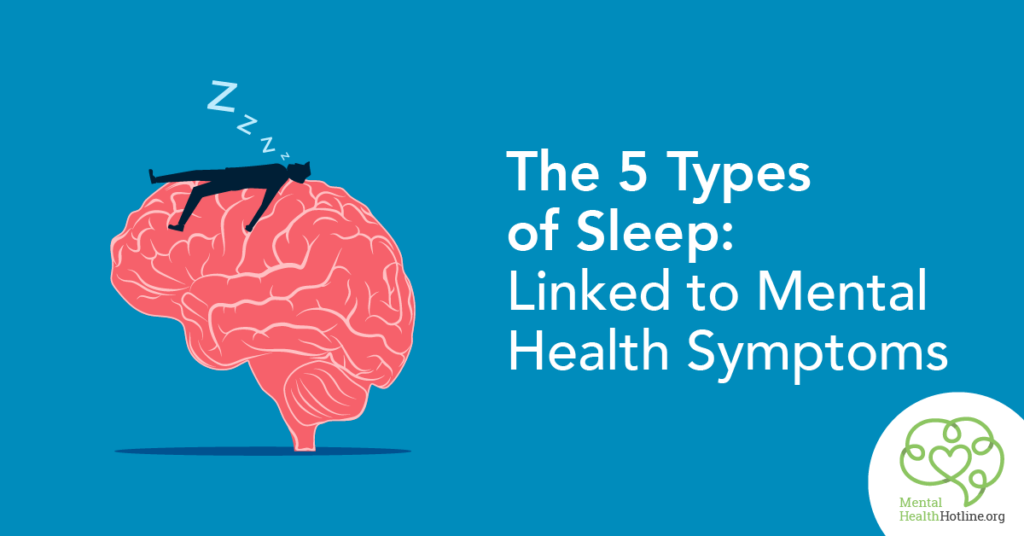
Not all sleep is the same. You might feel well-rested after one night’s sleep and completely drained after another, even if you slept the same number of hours. Why? New research shows sleep isn’t just about duration or bedtime habits but also about sleep type.
A 2025 study published in the Public Library of Science (PLOS) Biology journal described five distinct sleep types or profiles, each associated with different physical issues and mental health conditions such as depression and anxiety.
In this article, we break down the five types of sleeping, explain how they may affect mental health and provide strategies to help you get better rest, both physically and mentally.
The 5 Types of Sleep
Instead of focusing on one aspect of sleep and how it relates to mental health and daily life, the PLOS study took a broader, more in-depth approach. Researchers used machine learning to analyze a wide range of previously collected data from 770 young adults, including brain scans, cognitive tests and sleep-survey responses. The self-reported data included information about lifestyle, physical and mental health, personality and mood, as well as sleep-specific details, such as duration, difficulties and sleep aid use.
The study revealed the following five sleep profiles or types:
1. Poor Sleepers
The first type included individuals who experienced poor sleep along with emotional or psychological issues. They reported not feeling refreshed when they woke and being tired throughout the day.
- Mental health link. Individuals who fit this sleep type coped with issues such as depression, anger, anxiousness or stress during the day and had problems falling or staying asleep at night.
2. Resilient Sleepers
People in the second profile experienced fairly normal sleep but also reported mental health challenges. Researchers described this type as sleep resilient, because these issues didn’t seem to cause disruptions in the person’s ability to fall or stay asleep.
- Mental health link. People who matched this profile typically slept through the night but dealt with stress, low mood or difficulties staying focused during the day.
3. Medication-Reliant Sleepers
The third sleep type included participants who frequently used sleep aids such as prescription or over-the-counter medications, CBD products or chamomile tea. These individuals displayed strong social connections and overall didn’t report issues with their physical health.
- Mental health link. Individuals who fit into this sleep type showed slight declines in emotional awareness and memory but didn’t note any mental health concerns.
4. Short-Duration Sleepers
The fourth profile included individuals who slept for shorter periods, typically getting 6 to 7 hours or less of sleep per night. However, they didn’t necessarily suffer any physical consequences of getting less sleep.
- Mental health link. People who matched this sleep type had longer reaction times and were less accurate on cognitive tasks related to attention and memory. They also displayed less agreeableness and more aggressive behaviors.
5. Fragmented Sleepers
Participants who made up the fifth profile reported fragmented or disturbed sleep and waking frequently during the night. They noted snoring or breathing difficulties that may have affected their ability to stay asleep and led to feelings of exhaustion during the day.
- Mental health link. People who matched this sleep type experienced anxiety or had problems with cognitive performance. They were also more likely to smoke, drink or use other substances.
Sleep Type vs. Sleep Stage
It’s important not to confuse sleep types with sleep stages (REM, non-REM, deep sleep, etc.). Sleep stages are physiological and part of your brain’s natural sleep cycle. Sleep types, on the other hand, describe overall patterns in sleep behavior and their relationship to how you feel during the day.
Why Sleep Type Matters
Sleep has long been recognized as essential to good mental health, but we’re now beginning to realize how types of sleeping can affect emotional well-being. Understanding the different types of sleeping may help health care professionals learn who’s at greater risk of developing mental health concerns and why some people struggle more than others with fatigue, mood swings or poor focus.
Recognizing sleep types may help create a clearer picture of how a person’s mental and emotional health are tied to their nightly habits. And rather than thinking of sleep as “good” or “bad,” medical professionals can now see it as a spectrum of sleep types with varying concerns and benefits.
Why Mental Health Professionals Are Paying Attention
Changes in sleeping habits are often one of the earliest signs of emotional distress. A new onset of insomnia, early morning awakenings or persistent daytime fatigue could point to depression, anxiety or another mood disorder.
A 2023 review of related research found about 90% of people with depression also report sleep problems, and those who don’t sleep well are more likely to develop a mental health condition in the future. This intertwined relationship shows how the development of depression may contribute to sleep disturbances and vice versa.
Increasingly, mental health experts are looking at sleep behavior as a diagnostic tool. Sleep issues are no longer considered just side effects of mental health problems, and good sleep hygiene is being recognized as a core component of effective treatment and recovery.
How to Improve Your Sleep Type and Mental Health
Knowing your sleep type may help you catch early warning signs of emotional distress, but you can also take a proactive approach by implementing strategies to build healthier sleep and mental wellness habits.
To get started, you can take the following steps:
- Keep a sleep diary. Track when you go to bed, how long you sleep, how you feel in the morning and any patterns of stress or poor sleep. This can help you and your health care provider better identify your sleep type.
- Establish a sleep routine. Aim for consistency. Go to bed and wake up at the same times every day, even on weekends. This can help regulate your circadian rhythm and make it easier to fall asleep.
- Create a wind-down ritual. Turn off screens an hour before going to bed, lower lights, stretch gently or practice deep breathing to signal your body it’s time to rest.
- Avoid stimulants. Limit your caffeine, nicotine and alcohol consumption in the afternoons and evenings. These substances disrupt sleep and can worsen anxiety and restlessness.
- Seek professional help. If you’ve tried adjusting your routine and still struggle with sleep or emotional symptoms, don’t wait to get support. Talk to a health care professional who can screen for conditions such as depression, insomnia or sleep apnea.
Knowing When You Need Help
Sleep problems are more than just an inconvenience. If you are constantly exhausted, are struggling emotionally or believe sleep issues are affecting your work, relationships or quality of life, it’s time to talk to someone.
Sleep and mental health are deeply connected, and you don’t have to suffer in silence. The sooner you seek help, the better your chances of achieving both good rest and emotional well-being.
Find Help Through Mental Health Hotline
At the Mental Health Hotline, we’re here to connect you to compassionate professionals who understand the relationship between sleep and mental health. Whether you’re dealing with insomnia or anxiety or just don’t feel like yourself, you can call us for free, confidential support 24-7.