

Untreated Borderline Personality Disorder – How It Affects Those Around You
Key Takeaways Untreated borderline personality disorder (BPD) tends to get harder over time, not easier. Without treatment, the intense emotions, fear of abandonment... Read more.
Is There Medication for OCD?
Yes—OCD can be treated with medication: SSRIs (like fluoxetine, fluvoxamine) are first-line Often used alongside CBT May take 8–12 weeks to see full effect Obsessive-compulsive... Read more.
Addressing Avoidance in Therapy
While it’s natural to want to escape discomfort, repeated avoidance can stand in the way of growth and healing, especially in therapy. Whether it shows up... Read more.
Is There Medication for Depression?
Depression is often treatable with medication: SSRIs and SNRIs are most common Atypical antidepressants may help Best results when paired with therapy Depression... Read more.

The Most Depressed States in the US
⚠ Safety Notice If you or someone you love is in immediate danger, call 911. If you’re having thoughts of suicide or in emotional crisis, call or text... Read more.
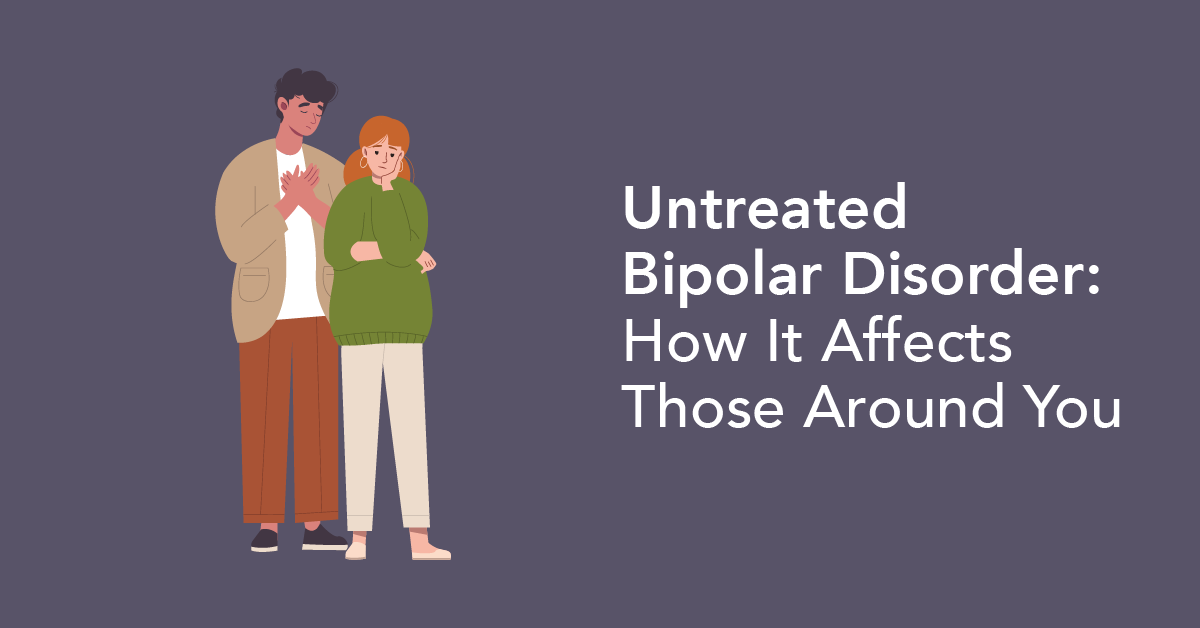
Untreated Bipolar Disorder – How It Affects Those Around You
When left unmanaged, bipolar disorder can disrupt relationships, strain families and create confusion, fear and frustration. Understanding the ripple effects of... Read more.
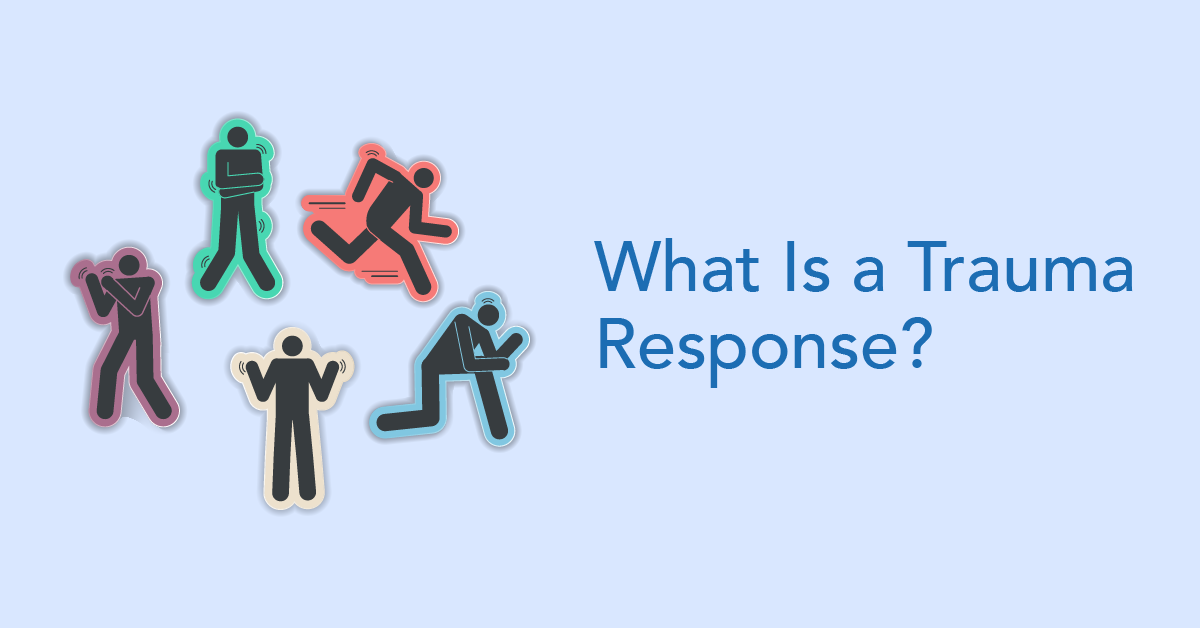
What Is a Trauma Response?
A trauma response is your brain’s way of surviving danger: Fight, flight, freeze, fawn, or flop patterns Can show up as anxiety, numbness, or people-pleasing Often... Read more.
Screening Tools for Anxiety
Quick tools can help identify anxiety symptoms: GAD-7 is widely used for screening Self-checks aren’t a diagnosis Use results to guide next steps with a provider... Read more.
How to Use Insurance for Mental Health Treatment
Does insurance cover therapy or rehab? If you’re wondering if your health care benefits include treatment for mental health conditions, you’re not alone.... Read more.

Screening Tools for ADHD
Quick Answer There’s no single test for ADHD. A diagnosis comes from a professional evaluation — usually by a psychiatrist, psychologist or primary care provider... Read more.