Therapy

How to Get Diagnosed with Psychosis

Mental Health Hotline for Psychosis

Psychosis diagnosis involves a psychiatric evaluation: Discuss hallucinations, delusions, behavior Rule out medical or substance causes Early help leads to better outcomes If you or someone you care about is experiencing symptoms like hearing voices or feeling disconnected from reality, you might be wondering about psychosis screening. These symptoms can be scary, but help to

How to Get Diagnosed with Psychosis Read More »

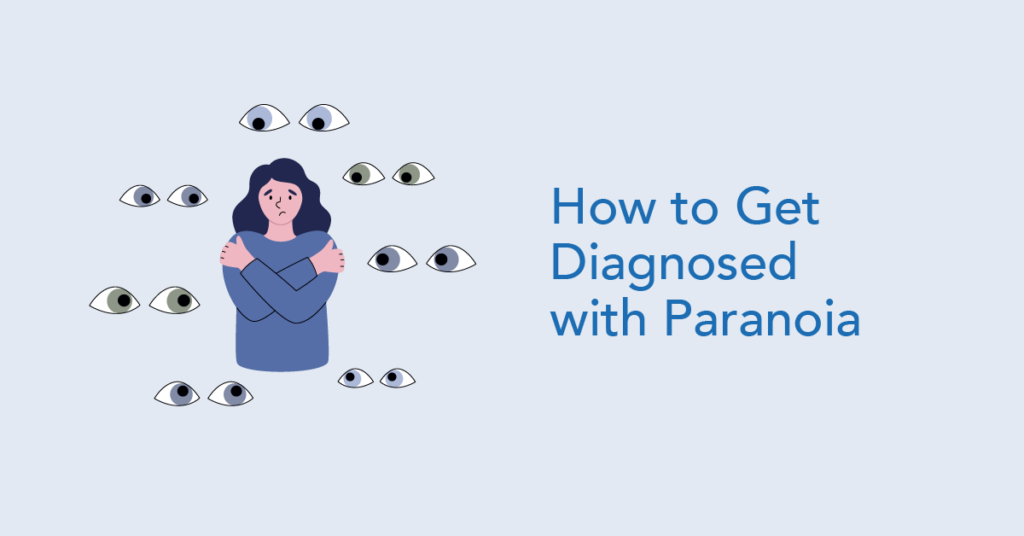
How to Get Diagnosed with Paranoia

Getting Diagnosed with Paranoia

Diagnosis starts with a mental health assessment: Share persistent fears or trust issues Rule out psychosis, trauma, or medical conditions A licensed clinician can determine the cause An estimated 3.2% to 4.4% of adults have paranoid personality disorder . This is more than just the average paranoia many people experience from time to time. Medical

How to Get Diagnosed with Paranoia Read More »

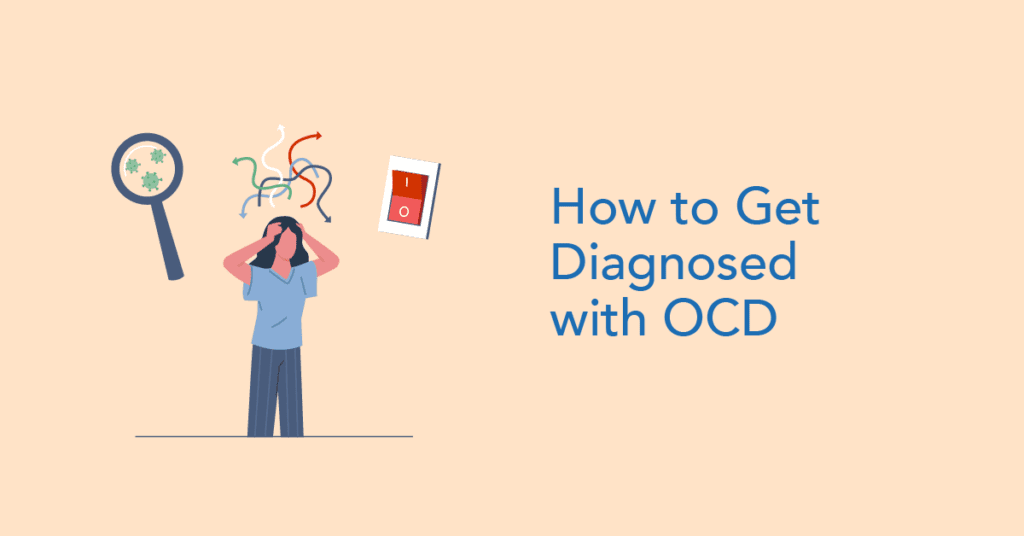
How to Get Diagnosed with OCD

Diagnosed with OCD - Mental Health Hotline

OCD diagnosis requires a clinical interview: Look for distressing obsessions and repetitive compulsions Symptoms must interfere with daily life Screening tools like Y-BOCS may be used Seeking an OCD assessment can be one of the most important steps you’ll take on your journey toward better mental health. Obsessive-compulsive disorder affects approximately 1.6% to 2.3% of

How to Get Diagnosed with OCD Read More »

Understanding Limerence and Addressing it in Therapy

What is Limerence - Addressing in therapy

Limerence is intense infatuation marked by obsessive thoughts: Feels like love, but driven by fantasy Can cause anxiety and impaired judgment Therapy explores unmet needs and boundaries Limerence is intense emotional infatuation that feels like love but is driven more by fantasy than reality. People experiencing limerence often become fixated on another person, thinking about

Understanding Limerence and Addressing it in Therapy Read More »

Recognizing Projection as a Defense Mechanism

Recognizing Projection as a Defense Mechanism

Projection means attributing your feelings to others: Common in anxiety, shame, or conflict Often unconscious Therapy builds self-awareness and emotional ownership Developed over 100 years ago, the concept of defense mechanisms is one of Sigmund Freud’s most useful psychoanalytical theories. He suggested that people use defense mechanisms — repression, projection, regression and reaction formation —

Recognizing Projection as a Defense Mechanism Read More »